
Cart
0

A dust free home feels lighter, cleaner, and easier to live in. Still, dust shows up again and again, even after regular cleaning. This happens because dust is created every single day inside the home and keeps moving around quietly. Once you understand how dust forms and travels, controlling it becomes much simpler and long lasting.
What Dust in a Home Is Made Of
Dust inside a home is a mix of very small particles. Some come from outside, like soil, pollen, and road dust. A large part comes from inside the home itself.
Clothes, sofas, carpets, curtains, and bedding release tiny fibers every time they are used. Skin sheds naturally throughout the day and breaks into fine particles. Cooking releases light oil residue into the air, which later sticks to surfaces and traps dust. Hair, pet dander, and everyday movement all add to this mix.
Because these particles are so light, they float in the air before settling. This is why dust appears even when a room looks clean.
Why Dust Comes Back So Quickly After Cleaning
Dust comes back fast because most cleaning only removes what you can see. Walking across a room lifts settled dust into the air again. Fans and airflow push particles onto furniture and walls. Carpets hold dust and release it slowly with every step.
Dust also falls from places that are not cleaned often. Door frames, ceiling corners, light fixtures, and fan blades quietly collect dust. When air moves, that dust drops onto floors and surfaces below.
Dry air makes this worse. In dry conditions, dust stays airborne longer and spreads easily across rooms.
How Dust Moves Around the House
Dust does not stay in one room. Opening doors changes air pressure and pulls dust along. Fans lift dust upward and spread it across shelves and tables. Strong airflow keeps particles floating instead of letting them settle.
Floor type also matters. Hard floors allow dust to move freely. Carpets trap dust until movement releases it back into the air. This explains why dust shows up on furniture even when floors seem clean.
Where Dust Builds Up the Most
Some areas collect dust faster than others and are often missed during cleaning. These include the tops of doors and windows, ceiling corners, light fixtures, fan blades, air vents, mattresses, pillows, and fabric sofas.
These spots slowly release dust back into the room. Cleaning only visible surfaces without touching these areas allows dust to return quickly.
How to Clean Dust Without Spreading It
Dust control works best when dust is trapped, not pushed around.
Using slightly damp tools helps hold dust instead of lifting it into the air. Microfiber cloths are effective because they grab fine particles. Cleaning should always start from higher surfaces and move downward so dust does not fall onto cleaned areas.
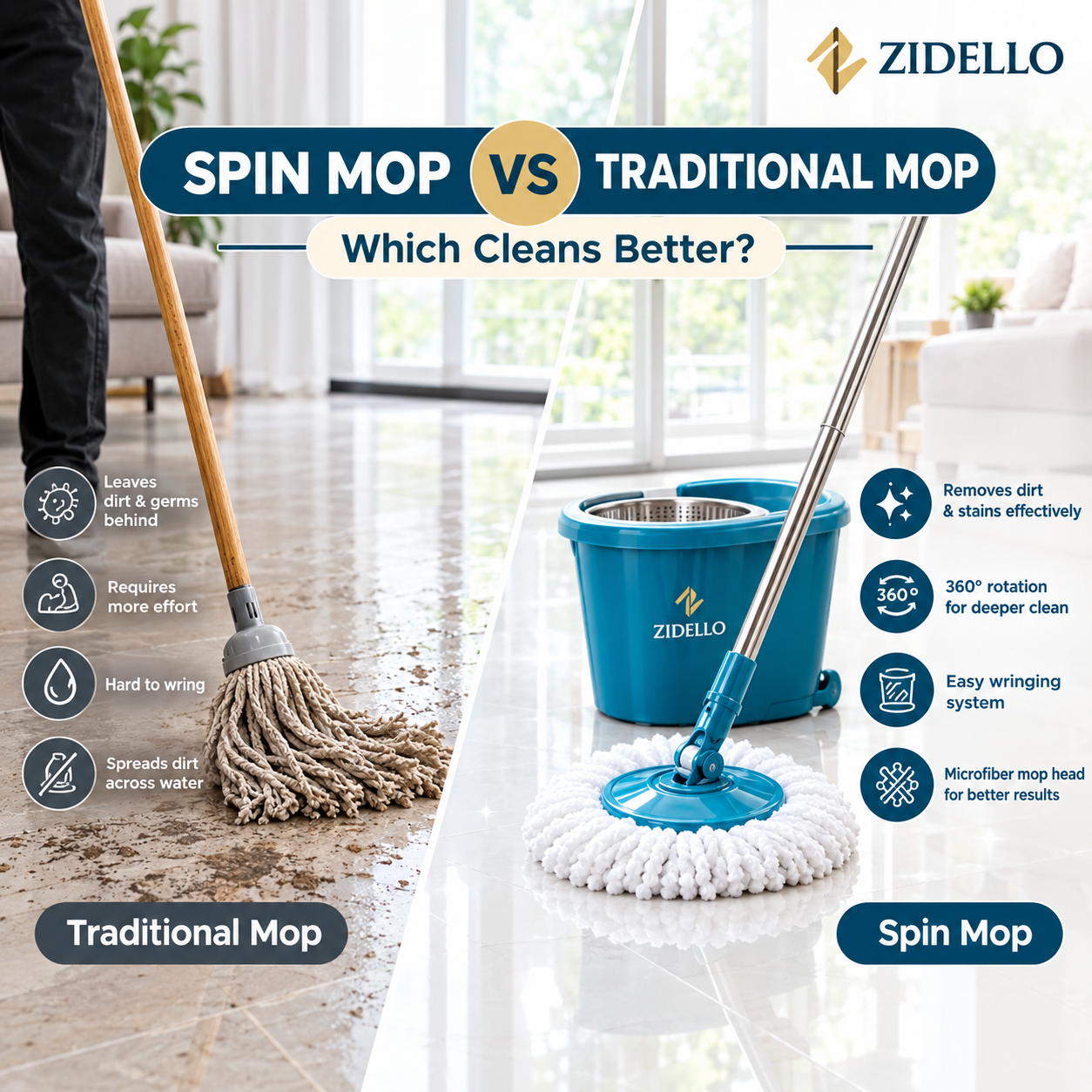
Hard floors should be damp mopped instead of dry swept. Carpets need slow vacuuming so the suction reaches deep into fibers. Cleaning tools must stay clean because dirty mops and clogged vacuum filters spread dust back into the room.
How to Reduce Dust Entering the Home
Stopping dust at the door reduces how much cleaning is needed later. Shoes bring soil, sand, and pollen indoors. Leaving shoes near the entrance limits how far dust spreads.
Using doormats inside and outside entry points helps trap particles early. Windows should be opened during calm hours instead of windy times to reduce outdoor dust coming in.
How Pets Add to Household Dust
Pets release hair and skin flakes that easily float in the air. This adds to indoor dust, even in clean homes.
Brushing pets outside and washing pet bedding often helps lower dust levels indoors. This keeps air cleaner without changing daily routines.
How Air Quality Affects a Dust Free Home
Air quality plays a big role in dust buildup. Fans, air coolers, and air conditioners collect dust in filters and vents. When these filters are dirty, dust circulates again every time the air runs.
Balanced humidity helps dust settle faster. Very dry air keeps particles floating longer. Gentle airflow is better than strong air movement, which keeps dust suspended.
Daily Habits That Keep Dust Under Control
Simple daily habits make a big difference. Wiping commonly used surfaces once a day prevents buildup. Shaking rugs outdoors releases trapped dust. Keeping storage closed reduces open surfaces where dust can settle.
Changing bedding weekly helps control one of the biggest indoor dust sources. Washing curtains from time to time prevents slow dust buildup.
Using the Right Tools for a Dust Free Home
Cleaning tools affect results more than cleaning frequency. Soft bristle brooms collect fine dust without scattering it. Flat mops with washable pads remove dust and residue instead of spreading it.
Using separate tools for floors and surfaces prevents dust from moving between areas. The right tools make dust control easier and more consistent.
Final Thoughts on Creating a Dust Free Home
A dust free home is not about cleaning all day. It comes from knowing where dust starts, how it moves, and how to stop it before it spreads. With the right habits and the right tools, dust becomes easier to control and your home stays cleaner for longer with less effort.
If you want cleaning to feel simpler and actually work, using tools designed for proper dust control makes a real difference. Zidello’s cleaning tools are built for everyday homes, helping you clean smarter, faster, and with better results. A cleaner home starts with better choices, and the right tools are the easiest place to begin.
FAQs
How often should a home be cleaned to stay dust free?
A home does not need deep cleaning every day to stay dust free. Light daily surface cleaning combined with weekly floor and fabric cleaning keeps dust under control. The key is consistency rather than frequency, especially for high-touch areas where dust settles fastest.
Does vacuuming every day reduce dust or spread it?
Vacuuming helps reduce dust only if the vacuum has a clean filter and proper suction. A clogged filter pushes fine dust back into the air. Slow vacuuming works better than quick passes, especially on carpets where dust hides deep inside fibers.
Can opening windows make a home more dusty?
Opening windows can increase dust during windy or high-traffic hours. Outdoor dust, pollen, and fine particles enter easily during these times. Opening windows early morning or late evening helps maintain airflow without pulling in excess dust.
Why does dust settle more on furniture than floors?
Dust settles on furniture because air movement slows near flat surfaces at waist height. Floors experience more movement from walking, which keeps dust shifting. This causes dust to collect faster on tables, shelves, and electronics.
Do air conditioners and fans increase dust indoors?
Fans and air conditioners do not create dust, but they can circulate it if filters and vents are dirty. Regular cleaning of filters prevents dust from being pushed back into living spaces and helps maintain cleaner indoor air.
Are carpets worse than hard floors for dust?
Carpets trap more dust than hard floors, but they can also release it back into the air when walked on. Regular slow vacuuming reduces this issue. Hard floors need proper damp mopping, as sweeping alone often spreads fine dust.