
Cart
0

Cleanliness awareness means being mindful of how clean your surroundings are and how that affects your health, comfort, and daily routine. It helps you understand when cleaning is needed, where dirt builds up fastest, and how simple habits keep spaces fresh without extra effort.
In everyday life, cleanliness awareness makes homes easier to maintain, workplaces safer, and shared spaces more comfortable. Instead of reacting to mess or odor, you stay ahead of it through small, regular actions.
What Cleanliness Awareness Really Means at Home
At home, cleanliness awareness is about noticing patterns. Floors near doors collect more dust. Kitchens build grease even when they look clean. Bathrooms stay damp longer than expected. Knowing this changes how and when you clean.
Rather than cleaning everything the same way, you focus on areas that need attention sooner. This keeps your home cleaner for longer and reduces the need for heavy cleaning sessions.
Why Cleanliness Awareness Matters for Health
Cleanliness awareness helps reduce the spread of germs, bacteria, and allergens. Dust on floors moves into the air when people walk. Damp areas allow bacteria to grow. Dirty cleaning tools spread germs from one room to another.
Simple awareness changes this. Washing and drying mops after use, changing cleaning cloths often, and wiping high-touch surfaces regularly lowers the risk of allergies, stomach infections, skin irritation, and frequent sickness.
How Cleanliness Awareness Improves Indoor Air
Indoor air quality depends on cleanliness more than most people realize. Dust and tiny particles rise into the air during sweeping or movement. Fabric items like curtains and cushions hold dust that returns to the air when disturbed.
Using slightly damp cleaning methods, opening windows during cleaning, and washing soft furnishings regularly helps keep indoor air fresh. This improves breathing comfort, especially for children, older adults, and anyone sensitive to dust.
Which Areas Need More Frequent Cleaning
Some areas get dirty faster because they are touched or used more often. Cleanliness awareness helps you focus on these spots instead of wasting time elsewhere.
Door handles, light switches, taps, remote controls, kitchen counters, and hallway floors need regular cleaning even if they look clean. Paying attention to these areas reduces illness spread and keeps spaces hygienic with less effort.
How Everyday Habits Affect Cleanliness
Daily habits shape how clean a space stays. Shoes worn indoors bring outdoor dirt inside. Food left uncovered attracts insects. Wet towels folded too soon develop odor.
Cleanliness awareness connects these habits with their outcomes. Removing shoes, wiping spills right away, drying wet items fully, and closing waste bins tightly keeps your home cleaner without adding work later.
How Cleanliness Awareness Helps Busy People
A busy schedule makes long cleaning sessions hard to manage. Cleanliness awareness helps by reducing the need for deep cleaning. Short daily cleaning prevents dirt from settling and becoming harder to remove.
Giving daily attention to kitchens, bathrooms, and walkways while cleaning low-use areas weekly keeps your space comfortable without stress. This approach saves time and energy.
Why Cleaning Tools Matter More Than You Think
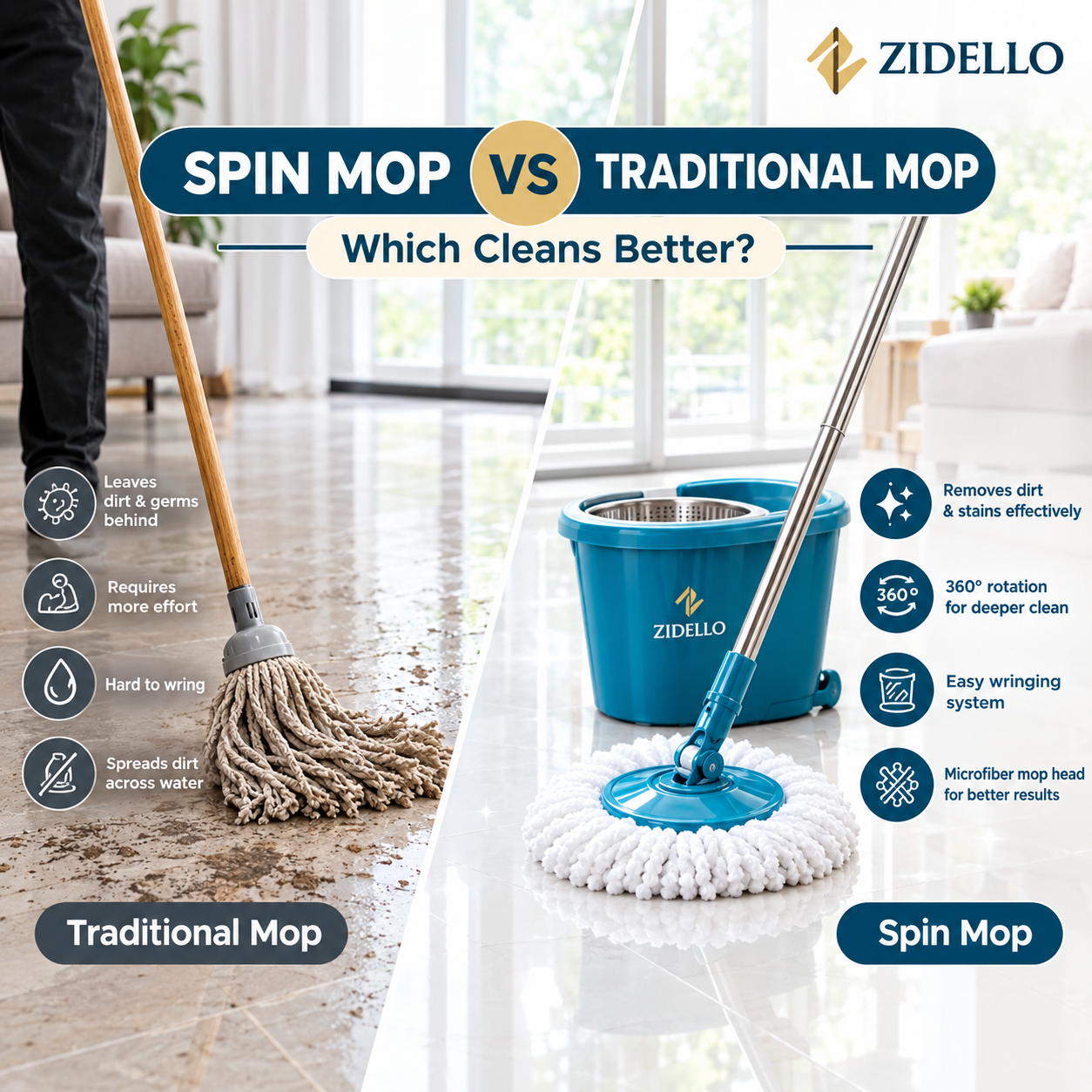
Many cleaning problems come from worn or unsuitable tools. Old brooms push dust around. Poor mops leave water behind. Rough brushes damage surfaces.
Cleanliness awareness includes choosing the right cleaning tools and replacing them when they lose effectiveness. Clean, well-designed tools reduce effort, improve results, and prevent odor and bacteria buildup.
How Cleanliness Awareness Improves Safety
Clean spaces are safer spaces. Wet floors increase slip risk. Cluttered walkways cause falls. Dust near electrical points can lead to damage.
Drying floors properly, keeping walkways clear, and storing tools safely reduces accidents at home and work. Cleanliness awareness supports safe movement and better use of space.
How Cleanliness Awareness Works in Shared Spaces
Shared spaces depend on everyone’s habits. One person leaving spills or ignoring waste affects everyone else.
Cleanliness awareness encourages responsibility and respect in offices, apartments, and public areas. When people clean up after themselves and use tools properly, shared spaces stay comfortable and hygienic.
Teaching Cleanliness Awareness to Children
Children learn cleanliness best through daily actions. When they see surfaces wiped after use and tools stored properly, they copy these habits naturally.
Giving simple tasks like putting toys away or wiping small spills builds responsibility. Explaining why these actions matter helps children develop long-lasting hygiene habits.
Cleanliness Awareness and Long-Term Comfort
Cleanliness awareness keeps spaces comfortable over time. It prevents recurring odor, reduces dust buildup, and lowers cleaning effort. Homes feel fresher, workspaces feel easier to use, and daily routines feel smoother.
This awareness turns cleaning into a manageable habit instead of a tiring task.
Conclusion
Cleanliness awareness makes everyday life easier. It helps you stay healthier, keeps your space comfortable, and saves time by preventing dirt from building up in the first place. When you understand how cleanliness works, daily upkeep feels lighter and more effective.
If you want cleaning to feel simple instead of tiring, the right tools make a real difference. Zidello offers practical, well-designed cleaning solutions that fit naturally into everyday routines. Explore Zidello’s cleaning range and make cleanliness easier to maintain, every single day.
FAQs
What is the difference between cleaning and cleanliness awareness?
Cleaning is the physical act of removing dirt, dust, or stains from surfaces. Cleanliness awareness is the understanding of when cleaning is needed, which areas require more attention, and how habits affect hygiene over time. Awareness helps prevent dirt buildup instead of reacting to it later.
How often should cleanliness-focused areas be cleaned?
High-touch and high-traffic areas should be cleaned daily or every other day. These include kitchen counters, bathroom surfaces, door handles, switches, and floors near entrances. Areas with less use, such as storage spaces, can be cleaned weekly without affecting hygiene.
Can poor cleanliness awareness cause frequent illness?
Yes, poor cleanliness awareness can increase the spread of germs and bacteria. Dirty floors, damp bathrooms, and unclean cleaning tools allow bacteria to multiply. This can lead to repeated allergies, stomach issues, skin irritation, and breathing discomfort over time.
Why do clean homes still feel dusty or uncomfortable?
A home may look clean but still hold fine dust in the air and soft surfaces. Dry sweeping, poor ventilation, and unwashed curtains or cushions cause dust to return quickly. Cleanliness awareness improves comfort by focusing on air movement, fabric cleaning, and damp dust removal.